
Climate Diaries: Swiss Tech
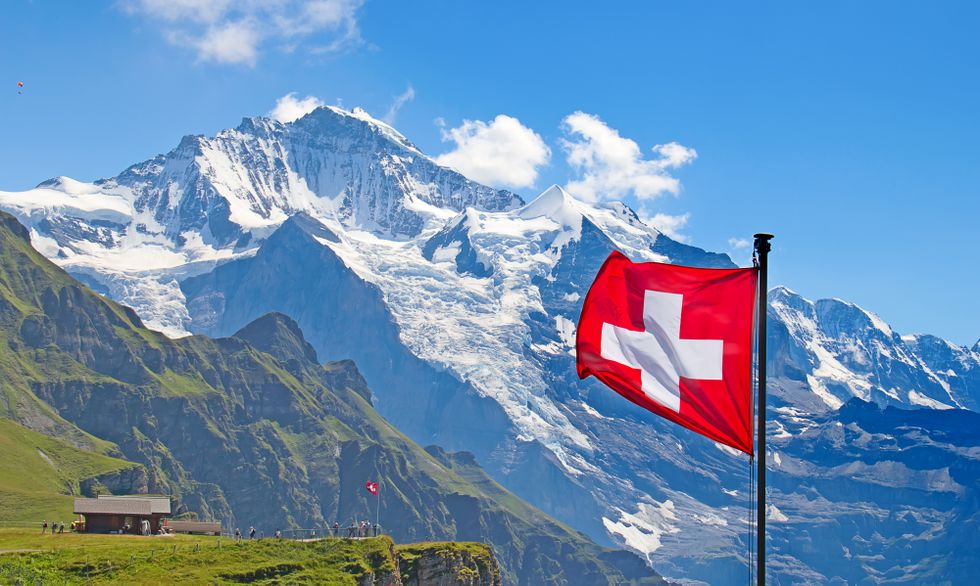
Switzerland
A small, mountainous country, with a huge role to play in carbon market design, policy and implementation.
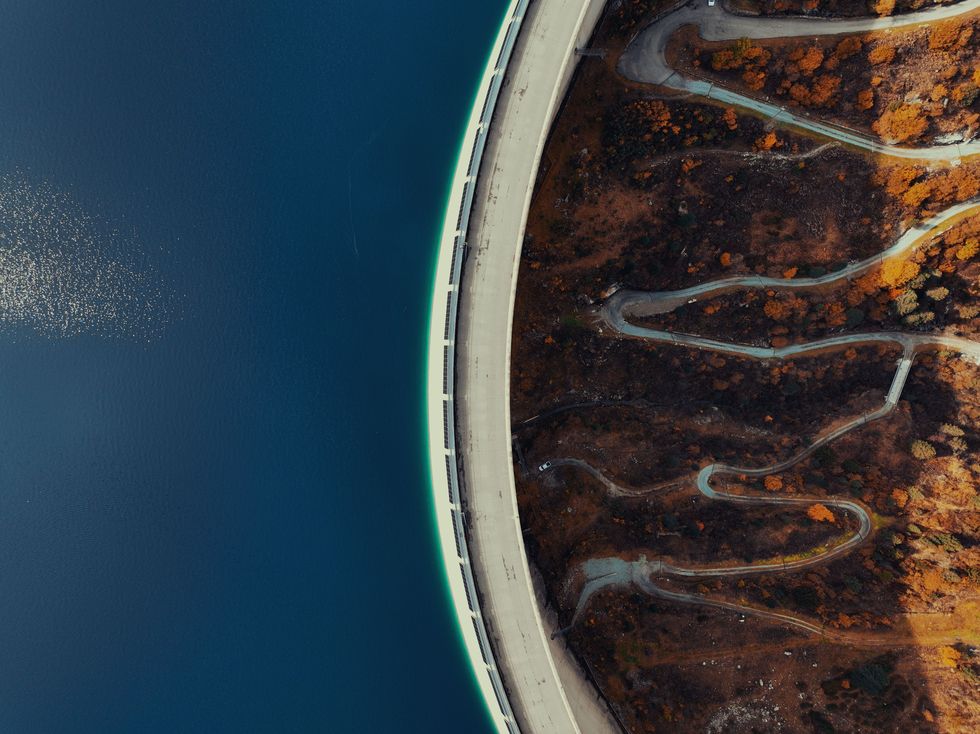
Small country, huge engineering projects
Switzerland is a world leader in renewable energy infrastructure and tech-based carbon removal.
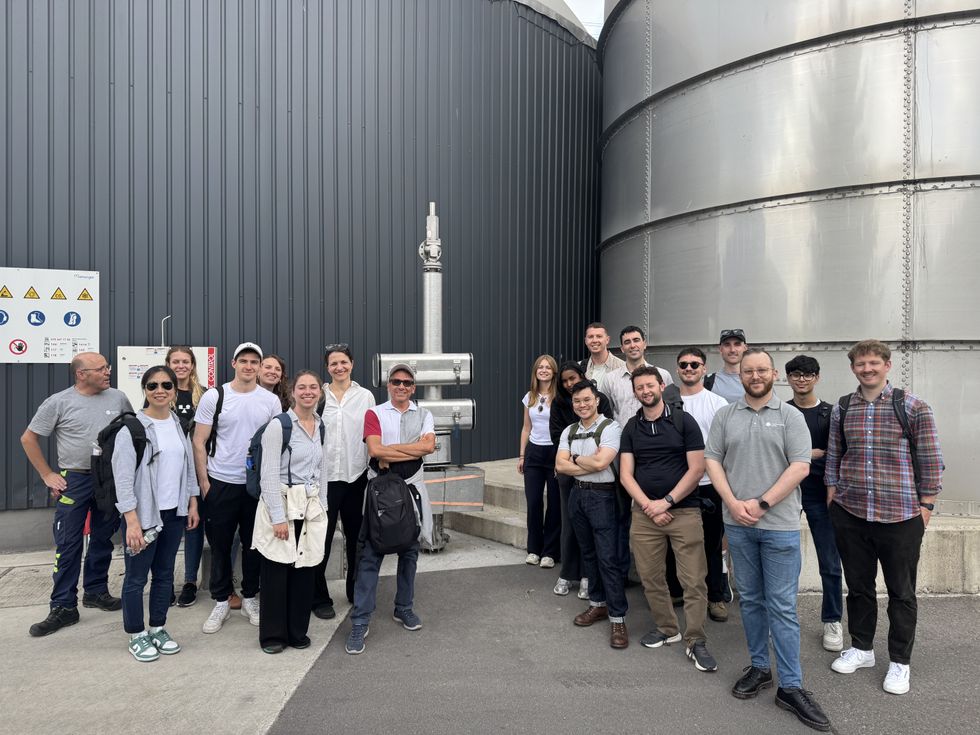
Learning from the best
30 of our scientists visited Switzerland to explore renewable energy and engineered CDR projects.
Here from our energy sector lead Rob Gurnett, as he unpacks why highly impactful renewable energy projects don’t always equate to impactful carbon projects.
Switzerland has begun to integrate independent quality assessments into government carbon trading mechanisms.
In 2025, BeZero Carbon was mandated to conduct risk assessments for Article 6.2 credits on behalf of the Swiss Federal Office for the Environment (FOEN). BeZero is now a trusted partner to leading governments in the growth of international carbon markets.
Swiss Tech
From carbon capture to concrete, waste treatments & circularity to hydropower, BeZero’s CDR and climate tech ratings teams spent a week in Switzerland exploring the real-world operations of high-impact, non-NBS decarbonisation solutions.
Dr Bojana Bajzelj, VP Carbon Removal, & Niall O'Marah, Waste Sector Lead, recall their experience of visiting technology- based projects in Switzerland.
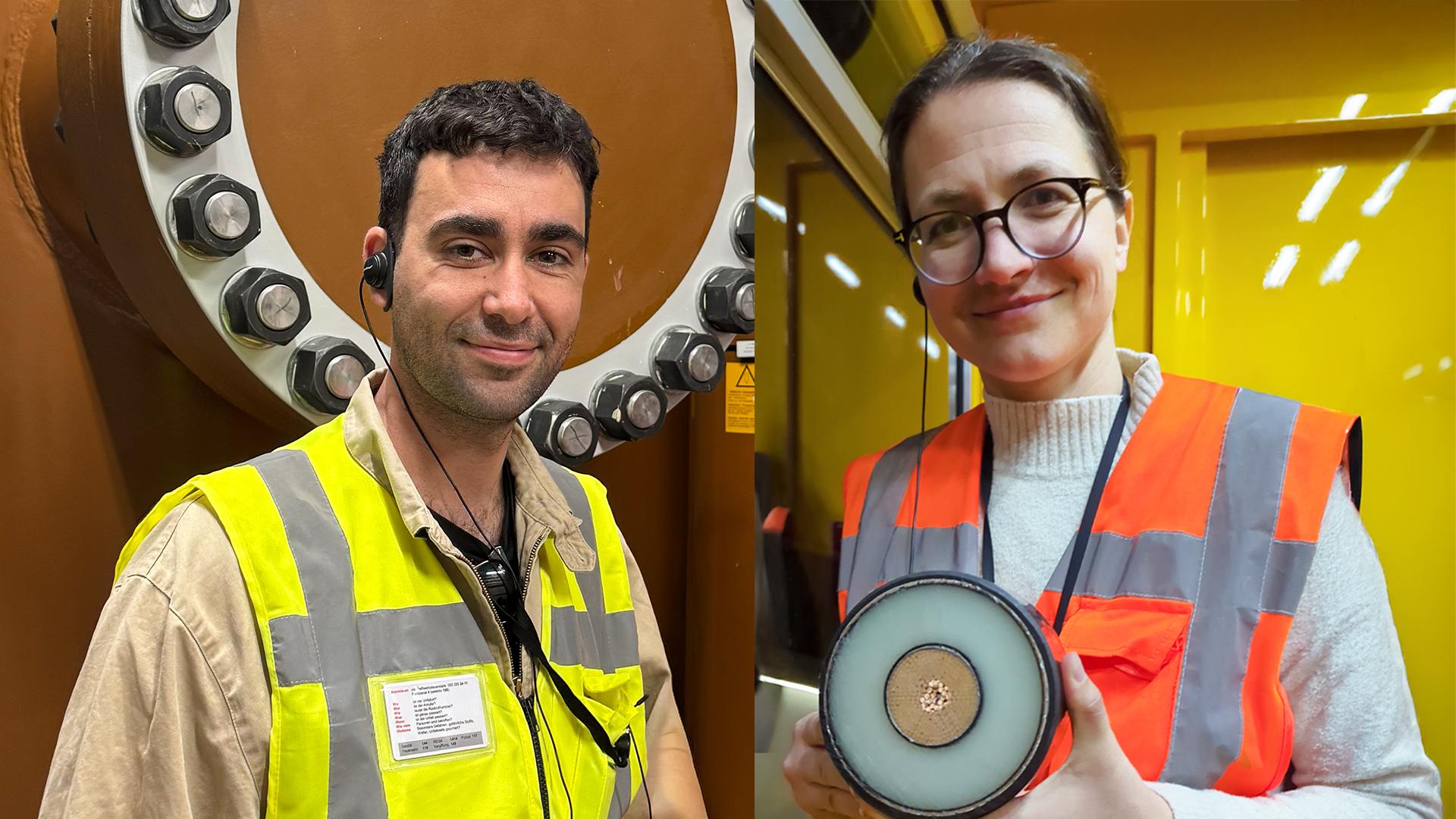
"It felt like going into a nuclear bunker, or something out of a sci-fi movie. Stepping into this vast labyrinth of connecting tunnels, heavy machinery, even an underground funicular. We were deep inside a mountain in Switzerland."
BB: From carbon capture to concrete, waste treatments & circularity to hydropower, BeZero’s CDR and climate tech ratings teams spent a week in Switzerland exploring the real-world operations of high-impact, non-Nature-Based Solutions (NBS). Our goal was to give our analysts the best possible chance to experience a wide variety of non-NBS projects in a short window of time.
NM: The majority of the 30-strong party were from the technology-based solutions (TBS) team, including experts from carbon dioxide removal (CDR), energy, waste, industrial processes, and cookstoves - bringing together both breadth and depth of scientific expertise.
BB: We chose Switzerland because there are quite a few interesting projects there - from technological carbon removal as well as other types of technology-based solutions. Despite being a small country, Switzerland leads on climate tech innovation, with a high concentration of fascinating projects.
NM: The site visit was to three or four separate individual project sites across Switzerland, starting in and around Zurich and then heading more into the countryside to see some larger-scale projects.


BB: One highlight was getting to visit a hydropower plant, a vast facility with significant strategic importance for regulating the European electrical grid. It felt like going into a nuclear bunker, or something out of a sci-fi movie. Stepping into this network of tunnels, a vast labyrinth of connecting tunnels, heavy machinery, even an underground funicular. We were deep inside a mountain in Switzerland.
Here, high up in the Swiss mountains, are natural lakes, over 1,000 metres above the valley below. The hydropower plant harnesses these lakes to store energy. When there’s excess renewable energy flowing into the grid, water is pumped up from the valley to the mountain reservoir. When demand is high, it releases the water back down through turbines to generate electricity. Using the force of gravity, the plant can produce a huge amount of energy per cubic metre of water.
“It’s a vital piece of infrastructure - not because it generates electricity, but because it provides energy storage, which is essential for a greener grid.”
NM: It’s easy to imagine this on paper, but what you don’t appreciate is the sheer scale - how far you have to walk through underground caverns, the complexity of moving people and equipment, and the size of the machinery and infrastructure involved.
BB: It’s a vital piece of infrastructure - not because it generates electricity, but because it provides energy storage, which is essential for a greener grid. When there are shortfalls in the grid, back-up generators come online, often powered by gas or even coal. Hydropower systems such as this one can switch between pumping and generating fairly quickly, providing much-needed bandwidth to the energy grid.
We’ll need more of this globally - renewable energy paired with storage. Even though these projects don’t typically issue carbon credits, energy storage combined with renewables could become important in carbon markets, especially in lower-income countries.


NM: Other highlights from the trip included:
A BECCS-type plant (biogenic CO₂ capture and storage) just outside Zurich, which takes CO₂ from organic sources like food waste and manure and stores it geologically underground.
A dry anaerobic digestion plant, where they capture and liquefy CO₂ while upgrading biogas to biomethane for heat and power production
A CO₂ mineralisation-in-concrete project, where they accelerate the natural process of CO₂ absorption in concrete, locking it in much faster than the natural timescale of thousands of years.
We were also hosted for a presentation by the Climeworks team, who are developing large-scale CDR projects in Iceland. They were very open about the challenges they’ve faced. It was incredibly valuable to interact directly with a client.
BB: This trip has massively benefitted the team since, putting themselves in the project’s shoes. You need that reality check, that tangible foundation, when assessing carbon projects. When you read about something, you can gloss over practical details.
Take the mineralisation project we visited: in theory, you combine CO₂ with crushed recycled concrete. But in practice, you need chambers, controlled environments, CO₂ containment, and logistics for handling large volumes of material. You gain an appreciation of scale. A tonne of CO₂ is a lot, whether as gas or in solid form. When you see these huge industrial projects in real life, you gain an appreciation for the sheer size of the operation. You better understand scale, logistics, and the challenges involved.
“Getting the opportunity to chat to my team in person was really valuable. You notice different things about people, build trust, and understand each other’s strengths and weaknesses better. That diversity makes us a stronger team.”
NM: The trip created an open forum for collaboration and knowledge sharing. I spoke a lot with Rob Gurnett, our energy sector lead, about his previous experience doing due diligence on renewable energy projects across Europe, which I hadn’t known before. You learn about people’s backgrounds and expertise in real depth, which is something you seldom get the chance to in day-to-day work. I gained invaluable insight from colleagues in other sub-sectors, which I can bring into my own ratings work. I really enjoy site visits - they’re the best way to understand a project. You can read documents and reports, but being on the ground brings everything to life.
BB: There were also some great opportunities to bond as a team. Rather than book restaurants, we made the most of the alpine summer with barbecues in the park. Many of us work remotely, so getting the opportunity to chat to my team in person was really valuable. You notice different things about people, build trust, and understand each other’s strengths and weaknesses better. That diversity makes us a stronger team.
Why does BeZero conduct site visits? Watch the video below (2 mins).
View all of our rated Technology-Based Solutions projects.
View