
Climate Diaries: Indian Agriculture
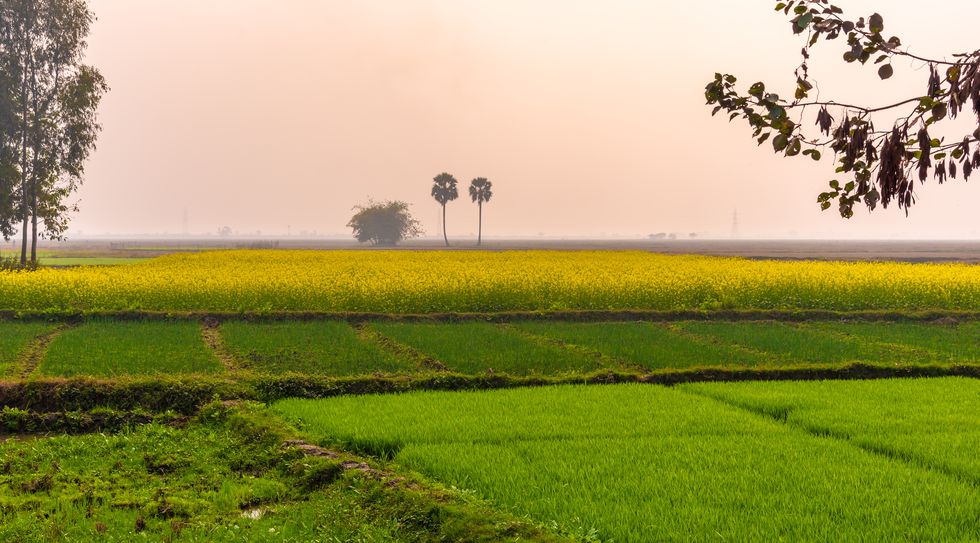
India
In 2024, the BeZero team visited Haryana, India to see regenerative agriculture practices up close.
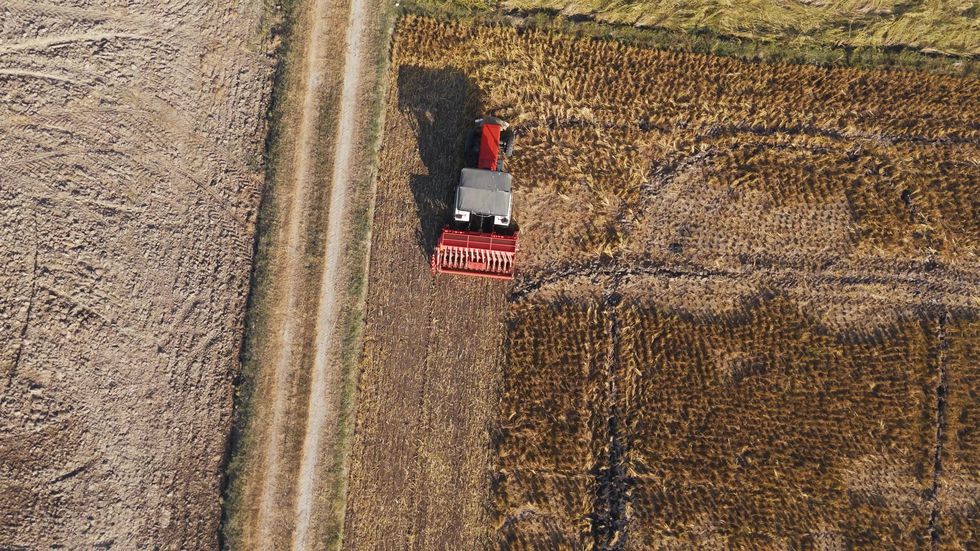
Regenerative agriculture
Adopting regenerative practices across the country could have a huge impact on the climate and air quality.
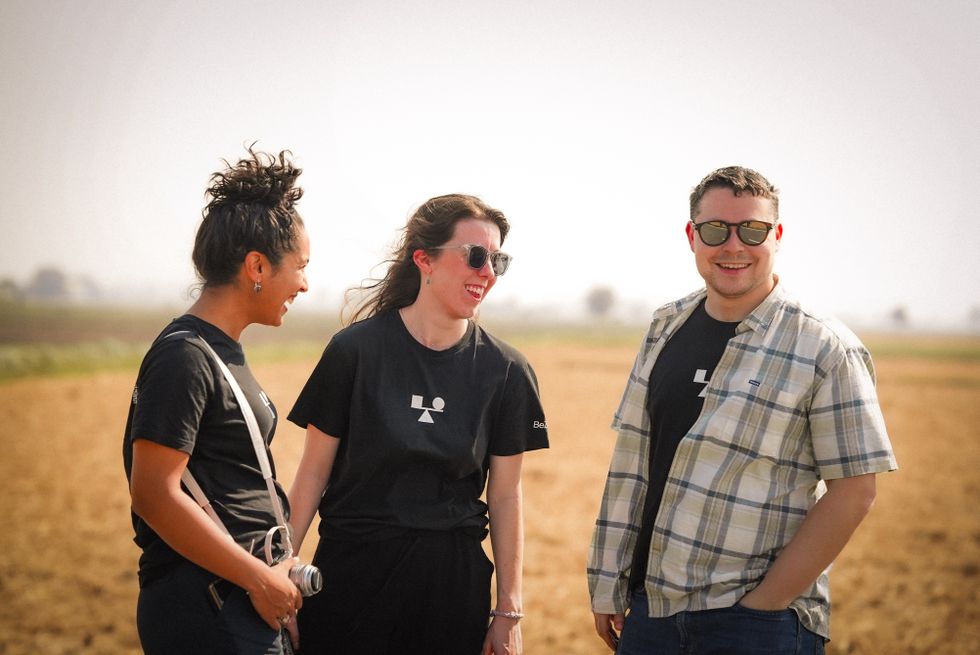
Rating regen ag
BeZero are experts in Regenerative Agriculture, having rated the very first regen ag project anywhere in the world.
BeZero has assessed 35+ projects globally in the Soil Carbon & Agriculture sector, including the industry's first ever regenerative agriculture rating in 2024. We have published a dedicated Soil Carbon & Agriculture methodology covering peatlands, grasslands, and other soil-related agricultural practices, supported by analysts with PhDs in Earth science, sustainable agriculture, and ecological risk. Our geospatial team uses satellite imagery to monitor regenerative practices like cover cropping — and natural hazards like drought — inside and outside project boundaries, giving an independent read on what's actually happening on the ground.
India's regenerative revolution
Dr Kirti Ramesh and Preeti Bisht recount their visit to a regenerative agriculture project in Haryana, India.
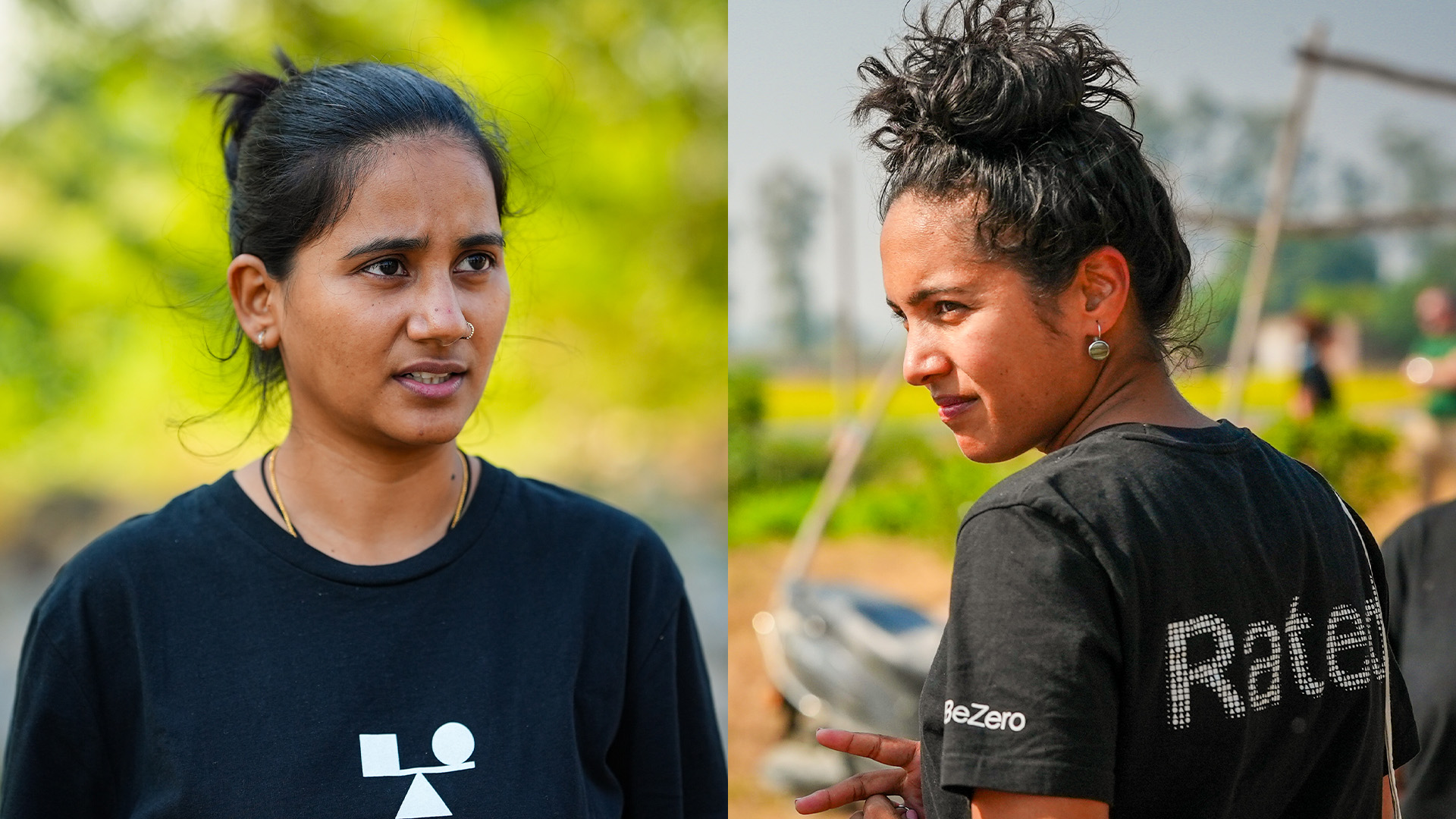
KR: We left Delhi early in the morning, heading out into rural Haryana. Pretty soon, the city gave way to farm land, with fields stretching far into the distance, broken only by small villages and scattered trees. Stepping off the coach, you’re hit with the acrid smell of burning. It stings your eyes and sits heavy in your chest.
During harvest season, leftover agricultural biomass is burned all across Northern India. The air becomes so saturated with particulate matter that smog rolls into the cities. However, we were here to see an alternative to biomass burning. Something that could not only reduce pollution and improve the air quality, but also have a huge carbon benefit across the country - regenerative agriculture.
The BeZero team visited three different projects while in India. The first was an Enhanced Rock Weathering project in Darjeeling, where we learned how they deploy their practices. We then visited a factory just outside Kolkata, where they're reducing emissions in the process of brick making. Our third visit brought us here to Haryana. Regenerative agriculture carbon projects are all about adopting new farming practices, ones which keep more carbon locked in the farmland.
The biomass within the soil - the crops, their roots and other plantlife - sequester carbon from the atmosphere. When traditional farming techniques - such as tillage - are used, it tears up this underground network, releasing carbon back into the atmosphere.
"Understanding these barriers to adoption provides a different perspective, one which cannot be gleaned from remote analysis alone."
PB: Regenerative practices, such as reducing tillage, ensure more carbon stays in the ground, but is also beneficial for farmers long-term. Crops which are dense with biomass are better at absorbing water, which means they’re less prone to flooding. Crop rotation improves soil health and can improve yields. Reducing fertilisers allows other plant species to thrive alongside crops, while also reducing their costs. Essentially, regen ag posits that conventional farming is a broken system - it’s bad for the soil, the farmers, the environment, even our health. Regen ag is all about readdressing the balance, so that farming is more symbiotic with the land.
KR: For this project, it was crucial to curb the practice of biomass burning, whereby leftover agricultural waste is gathered together and burnt. Instead, this project looks to use a piece of machinery known as a Super Seeder, whereby crop residue is combined with the ground, while at the same time sowing seeds for the next harvest.
This equipment doesn’t come cheap. The vast majority of India’s agriculture is made up of small landholders, many of which cannot afford expensive gear like the super seeder. This is where carbon project finance can help, by building a cooperative scheme between neighbouring farms, facilitating shared access to this equipment.


PB: Education is a huge dimension to the success of implementing a project like this, and not everyone is open to trying a different approach. For many households in India, a single person is the breadwinner supporting a large family. They worry that if they adopt new practices, they might lose income or stability. We’re talking about behaviours passed down from generation to generation - to deviate from that feels understandably risky. The project therefore runs consultations and training sessions with farmers, to explain why it’s so important to adapt their approach. The promise of carbon finance is a big draw, providing some added financial security.
PB: BeZero is headquartered in the UK, but has scientists all over the world, myself included - I’m based in Moradabad, near Delhi. Having that in-country experience is incredibly useful when rating projects. From the developer engagement perspective, I can build trust and understanding. But digging deeper, I was able to talk directly to the farmers in Hindi. They told me that while they were benefiting from the project, some fellow farmers were reluctant to join. With their entire livelihood tied to the fortunes of their farm, coupled with generation-to-generation practices and techniques, any change in approach can be met with scepticism. Understanding these barriers to adoption provides a different perspective, one which cannot be gleaned from remote analysis alone.
KR: Site visits like this one bridge the gap between theory and reality: while you may understand the importance and scale of agriculture in India in principle, it only fully resonates when experienced firsthand.


KR: Since this site visit in 2024, regenerative agriculture has grown into an incredibly exciting growth area within carbon markets. We’ve now seen the first credits in this space be monitored, verified, and issued to the market, which brings more certainty about delivery.
BeZero was one of the first ratings agencies to publish a public methodology for soil carbon and agriculture. We’ve continued to build on that. We delivered our first regenerative agriculture ratings in the US, and then also in Europe. Recently, the soils team released a pre-rating scorecard, which helps assess project risk early in the project design stage.
We have a strong science team of 80+ analysts, including soil and peatland experts, and specialists in regenerative agriculture. Some have worked with key frameworks like the Peatland Code in the UK. We also have team members who have previously developed methodologies used in the market, which brings valuable expertise in-house.
BeZero has scientists all over the world, myself included - I’m based in Moradabad, near Delhi. Having that in-country experience is incredibly useful when rating projects."
PB: The vastness of India’s agrarian economy, coupled with its small-scale landowners, is what makes biomass burning such a large-scale issue. Individually, farmers burning their waste may seem like no big deal. But multiply that by 150 million farms (approx) across the country and it can suddenly become a very serious public health issue during the harvest season. Carbon accounting becomes very tricky to measure; even though biomass burning is illegal in India, it is common practice across much of the country. Monitoring and reporting across such a vast swathe of farmland, with so many small landowners, is incredibly difficult.
However, if these methods are implemented in place of burning, the cumulative effects can be profound, not only to the climate, but to the general health of the population.
Want to dig deeper into Regenerative Agriculture? Dr Eli Melaas, BeZero’s Lead Remote Sensing Scientist, guides you through everything you need to know in this explainer (2 mins).
View all of our rated soil carbon & agriculture projects.
View