
Climate Diaries: Biochar in the UK
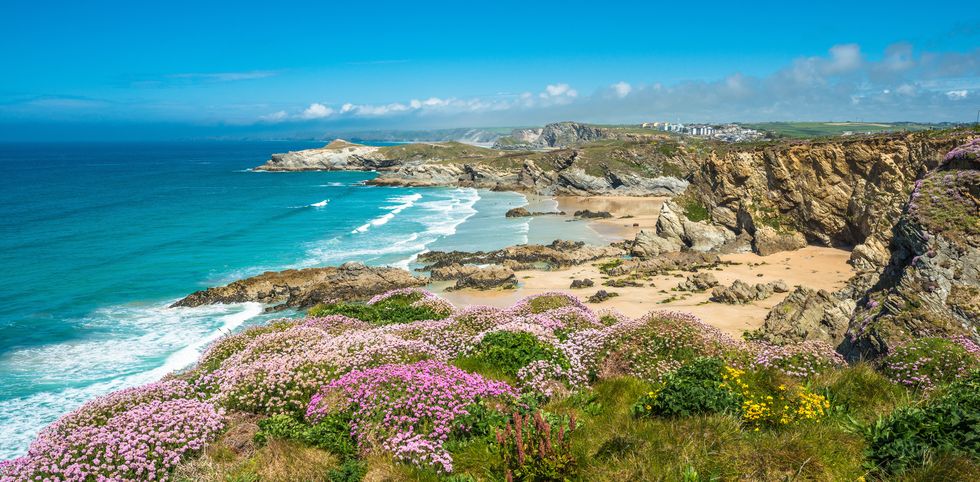
Cornwall
A county on the Southwest tip of the UK, synonymous with summer holidays, quaint towns and Cornish pasties.
Biochar on the farm
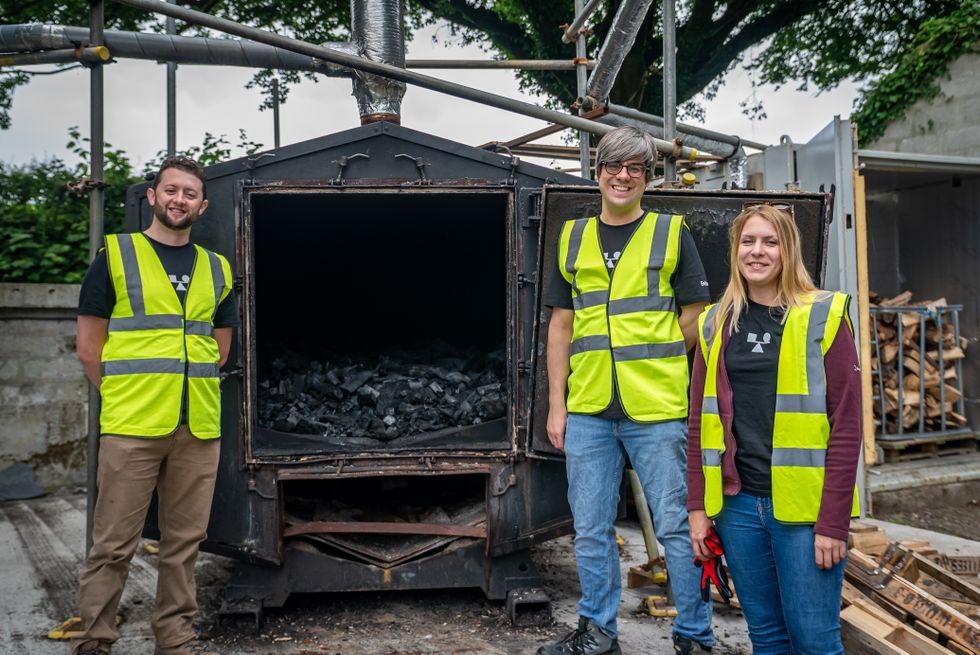
Will it also be known for Cornish biochar? The BeZero team visited a pilot facility operating from a family farm.
Biochar’s potential
With lower production costs than other forms of carbon removal, is biochar an exciting growth area within carbon markets?
With biochar making up over 90% of all engineered carbon removal deliveries to date, the sector is gaining traction. BeZero Carbon was the very first ratings agency in the market to rate a biochar project in 2023 and has since assessed the carbon efficacy and beyond carbon risks of many of the largest projects currently issuing credits.
Led by Dr. Bojana Bajzelj, our team boasts decades of experience across carbon removal methods, biomass processing and agricultural sciences. from both site experience and remote analysis. The BeZero Carbon team have assessed over 35 biochar projects globally to date.
Dr James Hammerton, Senior Carbon Ratings Scientist and Biochar Sector Lead at BeZero, recounts his experience of visiting a biochar producer in Cornwall.
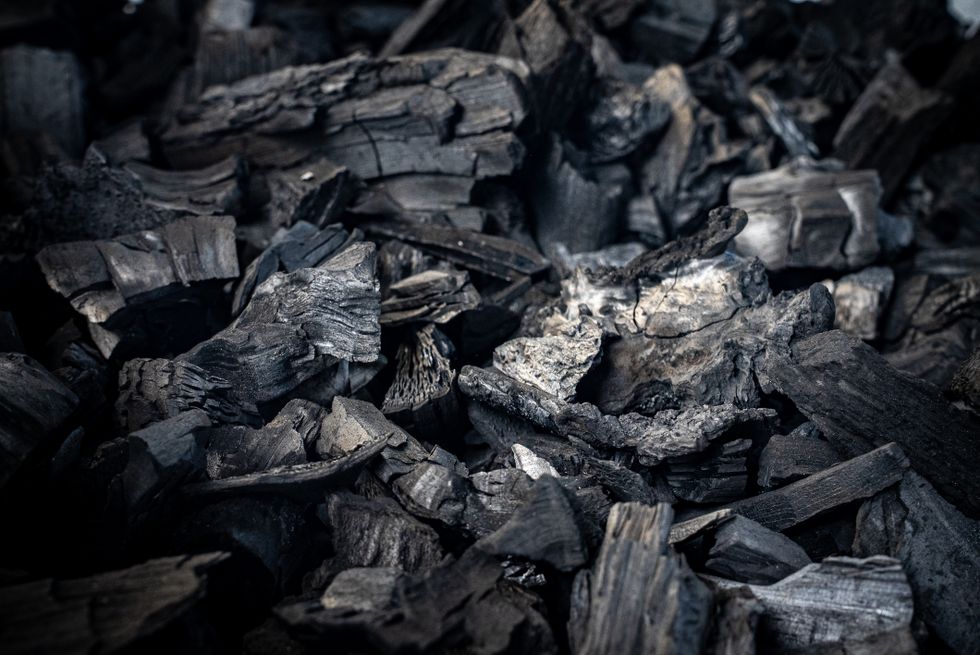
The pickup truck pulled off from the main road and onto a narrow, country lane. We followed the track down until we parked up outside the main farmhouse. Jumping out, we were shepherded around the corner to a low-lying barn, where we saw what looked like a large pizza oven. Inside its open mouth was a mountain of black, charcoal-like pieces of wood.
Here in Cornwall, quietly tucked away on a family farm, was a small-scale biochar producer.
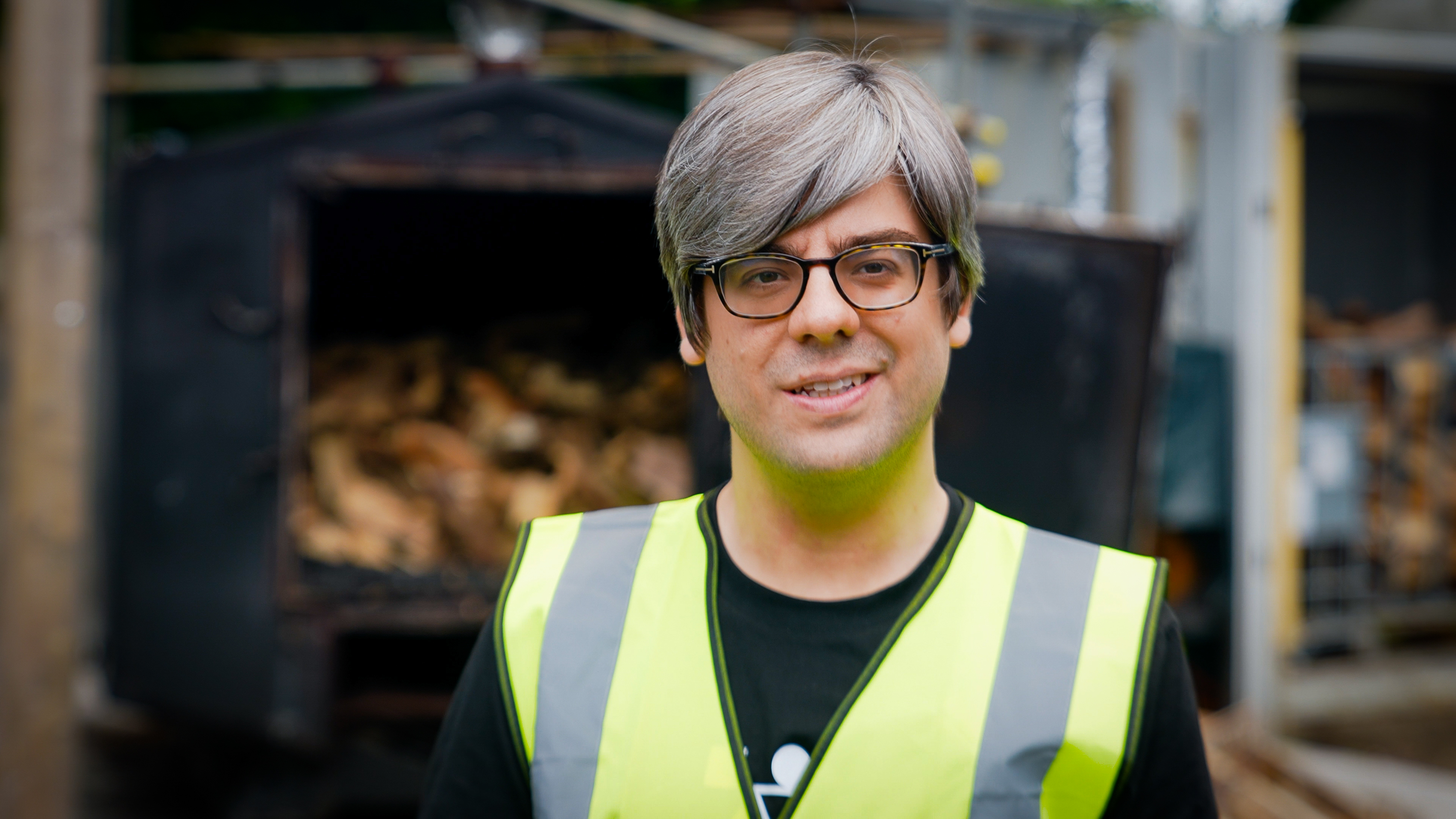
“We saw what looked like a large pizza oven. Inside its open mouth was a mountain of black, charcoal-like pieces of wood. Here in Cornwall, quietly tucked away on a family farm, was a small-scale biochar producer.”
The BeZero team visited Restord, a biochar producer based in Cornwall, which is currently looking to rapidly scale up operations. With me were Dr Julia Woitischek and Dr Nathan Sutemire, two of our scientists within the carbon removal team.
On-site to show us around was farm owner and Restord founder Tom Previte, who’s very active in the biochar space. He’s not only developing projects but also promoting the wider concept through social media, podcasts, and public engagement.
Biochar has many potential uses. It can be added to animal feed, with research suggesting reductions in methane emissions. It can help prevent fertiliser runoff, water filtration, and is increasingly being incorporated into construction materials like concrete, cement, and tarmac to reduce their carbon intensity. There are even uses in personal care and cosmetic products.
Tom was kind enough to show us the entire biochar production process. The reactor has a lower chamber for generating heat and an upper cylinder for the biomass that becomes biochar. He began by unloading the batch produced the day before. The finished biochar looks like supermarket charcoal - light, brittle, still showing the woody structure.
Then we prepared the next batch: Tom drives a small forklift machine over to a shipping-container next to the reactor, stacked with waste wood collected locally after storms. Deftly picking up a palette, the wood is then dropped near the oven's open mouth. We stack wood into the reactor as tightly as possible before closing the chamber with heavy-duty sealant to keep air out.
Extra wood is then loaded underneath the oven to ignite. As the fire builds, moisture is driven out, and once it hits pyrolysis temperatures (around 250°C) the reaction becomes self-sustaining using its own gases. Watching the system transition from externally fired to self-sustaining was genuinely impressive.


After a quick lunch of Cornish pasties, we drove 5 minutes down the road to a nearby farm. Here, biochar was being spread on lettuce crops as part of a trial. The hope was that this application would be mutually beneficial, sequestering carbon in the soil while also providing nutrients for the crops.
It offered a very different picture from large industrial farming: more grounded, more circular. The woody waste for biochar production is sourced locally, the farming is local, and the biochar is then returned to the local land. You could really see how this project solves local problems, as well as contributing to carbon removal.
“You often get much more candid conversations when you’re physically there; being on-site really breaks the ice, revealing things you don’t fully grasp from financial models or project documents alone.”
Seeing the facility in person was a great chance to understand the project from the developer’s perspective. You often get much more candid conversations when you’re physically there; being on-site really breaks the ice. That’s important for our assessments, because it helps reveal the practical challenges of scaling up and getting projects off the ground - things you don’t fully grasp from financial models or project documents alone.
Looking at the broader market, we are seeing more high-integrity biochar projects coming online. Developers are improving, science is maturing, and interest is rising. But it’s not uniform, and some configurations remain high-risk in terms of carbon efficacy. So while many strong projects are emerging, there will still be some that need careful scrutiny.
Tom is not just a developer. He’s physically manufacturing the biochar. The work is far more manual and physical than people might expect at this scale. He’s up early to operate the machine, he’s doing heavy physical labour, and he’s managing stakeholders and partners. He’s a farmer, scientist, marketer, and business owner all at once. It really shows how broad the required skill set is.


One of the strongest impressions from the visit was the community aspect. It’s Restord’s project, but it involves councils, universities, and farmers. The project takes a local approach to tackling climate issues. If communities elsewhere adopted similar models, it could build into something globally meaningful.
Site visits like this one provide huge value for my role. It allows for more informal, open conversation with developers and operators, reveals things you can’t spot in documents, and helps you understand the community context. It also highlights the human side of project development—the challenges, delays, and perseverance required. And it shows how carbon finance can genuinely help overcome those barriers.
On a personal level, the trip was energising. It showed not just where the project is now but where it could be in 2, 5, or 10 years. If similar facilities were replicated across the UK, the impact could be significant, creating jobs, improving local environments, supporting food security, and delivering meaningful carbon removal. I’m looking forward to seeing the biochar sector flourish over the next few years, both in the UK and beyond.
BeZero Carbon visited Restord’s project site for educational purposes only. This visit has no bearing on any BeZero Carbon Ratings past, present or future.
Want to know more about biochar? Dr Bojana Bajzelj, PhD VP Carbon Removal, explains everything you need to know, in 2 minutes.
View all of our rated Biochar projects
View