
Climate Diaries: East Africa
East Africa
With the highest amount of carbon credits issued relative to its GDP, East Africa is a powerhouse for carbon credit supply.
Direct Air Capture hub
East Africa is one of the best places in the world to scale DAC, due to its unique geology, cheap energy and incredible talent.
The potential for the region is huge
With the right investment and policies, East Africa could produce 100s of millions of carbon credits per year.
East Africa: global hub of carbon innovation
Louisa O'Connell, BeZero’s Head of Events & Client Partnerships, reflects on her visit to East Africa.
We visited Kenya to connect with communities and developers, and to understand what real impact looks like on the ground. Our objective was to develop and strengthen our networks, to listen, and to celebrate those who are doing the hard work every day in one of the global hubs of carbon innovation.
It was so refreshing to step outside the usual carbon circuit — to come here, meet the people closest to the impact, and see what’s really happening.
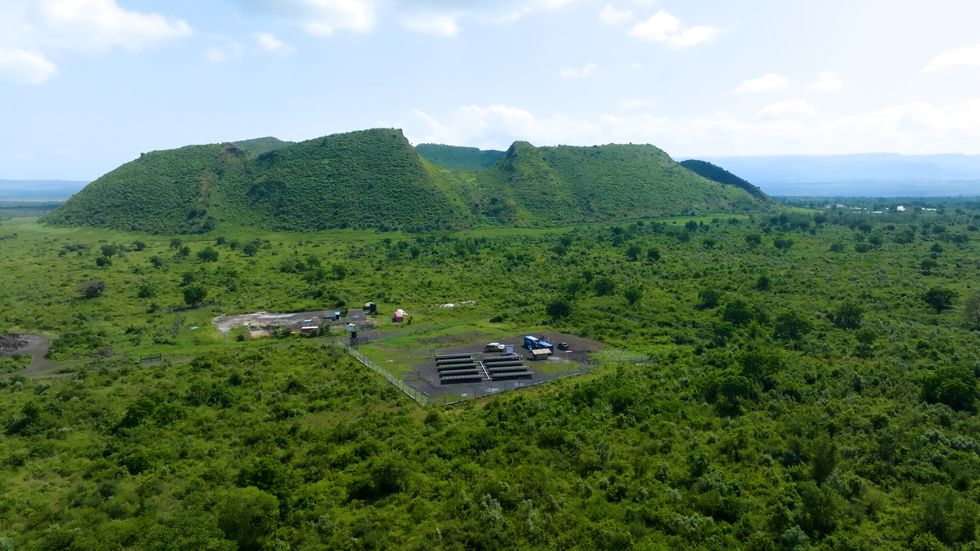
We drove out of Nairobi and into the Great Rift Valley, a 4,300 mile long valley running all the way from the Middle East down to Mozambique. Here in Kenya, in the middle of the valley, lies the Sleeping Warrior special economic zone (SEZ).
Out here in the middle of nowhere, you’ll find a carbon technology hub formed by a triumvirate of companies looking to scale up Direct Air Capture.
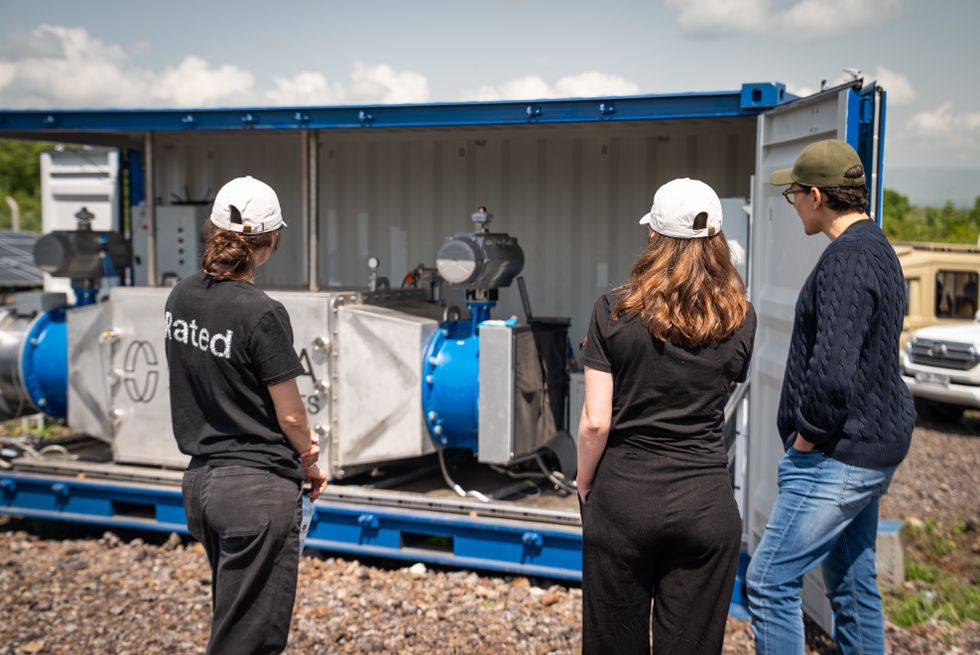
We actually got to see the sequestration of carbon through Direct Air Capture, as well as the injection of CO2 into the volcanic rock that makes the rift valley so ideal for this technology.
It was a huge pleasure to meet the engineers and scientists who are in the field, at the coalface of carbon, working so hard to prove the power of this technology as we hope to scale it to capturing millions of tonnes of CO2 per year.


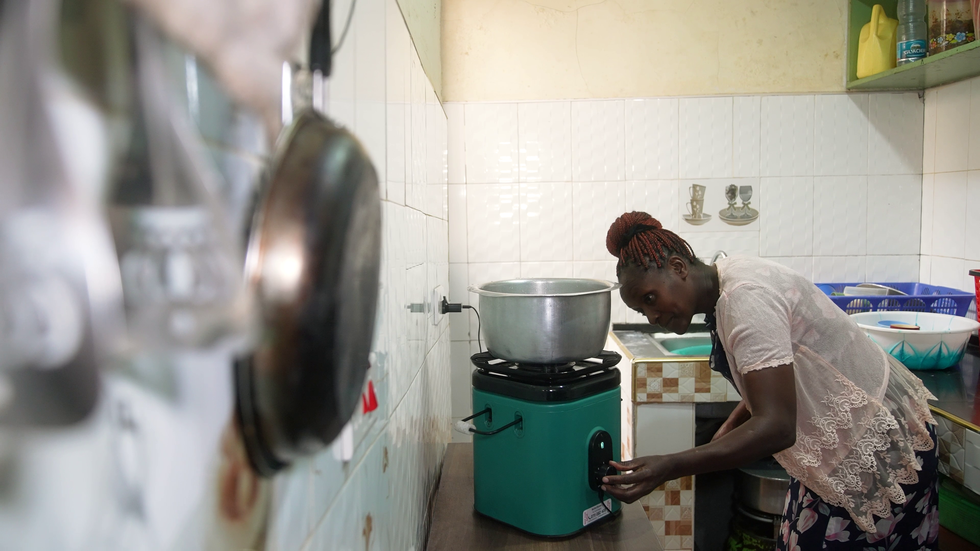
There are a huge range of project types in the region, from cookstoves, to forestry, renewables and even agroforestry and soil carbon. BeZero has assessed the first A-rated cookstove project in Kenya, demonstrating regional potential for excellence.
Scaling carbon markets in East Africa offers significant benefits beyond just reducing emissions. At the heart of this is climate justice. We must see capital flowing from the global North to the global South — to those who have contributed least to the problem but stand to lose the most from its effects.
That’s why I believe so strongly in carbon markets as a mechanism for delivering catalytic climate finance — to drive development, jobs, and innovation in the regions that need it most.


Independent ratings play a key role in building trust. They help international buyers understand the difference between high-quality and low-quality carbon credits, and they allow local developers to benchmark their projects globally.
Looking ahead, we hope that over the next five to ten years, we’ll see billions of dollars invested into building a long-term supply of impactful credits that can create millions of jobs and generate billions in economic value.
From pioneering direct air capture, to high-integrity forestry projects, to increasingly efficient cookstoves — everywhere you look, there’s innovation happening in real time.
On a personal level, visiting Kenya was a powerful reminder of the energy, creativity, and optimism driving this industry forward.

Cookstove projects provide far more than just carbon reductions - they deliver cleaner cooking, health benefits, and social impact for communities. In this video, we explore cookstove projects in Kenya and introduce our Cookstoves Pre-rating Scorecard, an interactive tool that offers a rapid, indicative view of climate impact for unrated projects.
View all of our rated projects in Eastern Africa
View